Decarbonising Concrete Making
Brendan Liveris, Heidelberg Materials
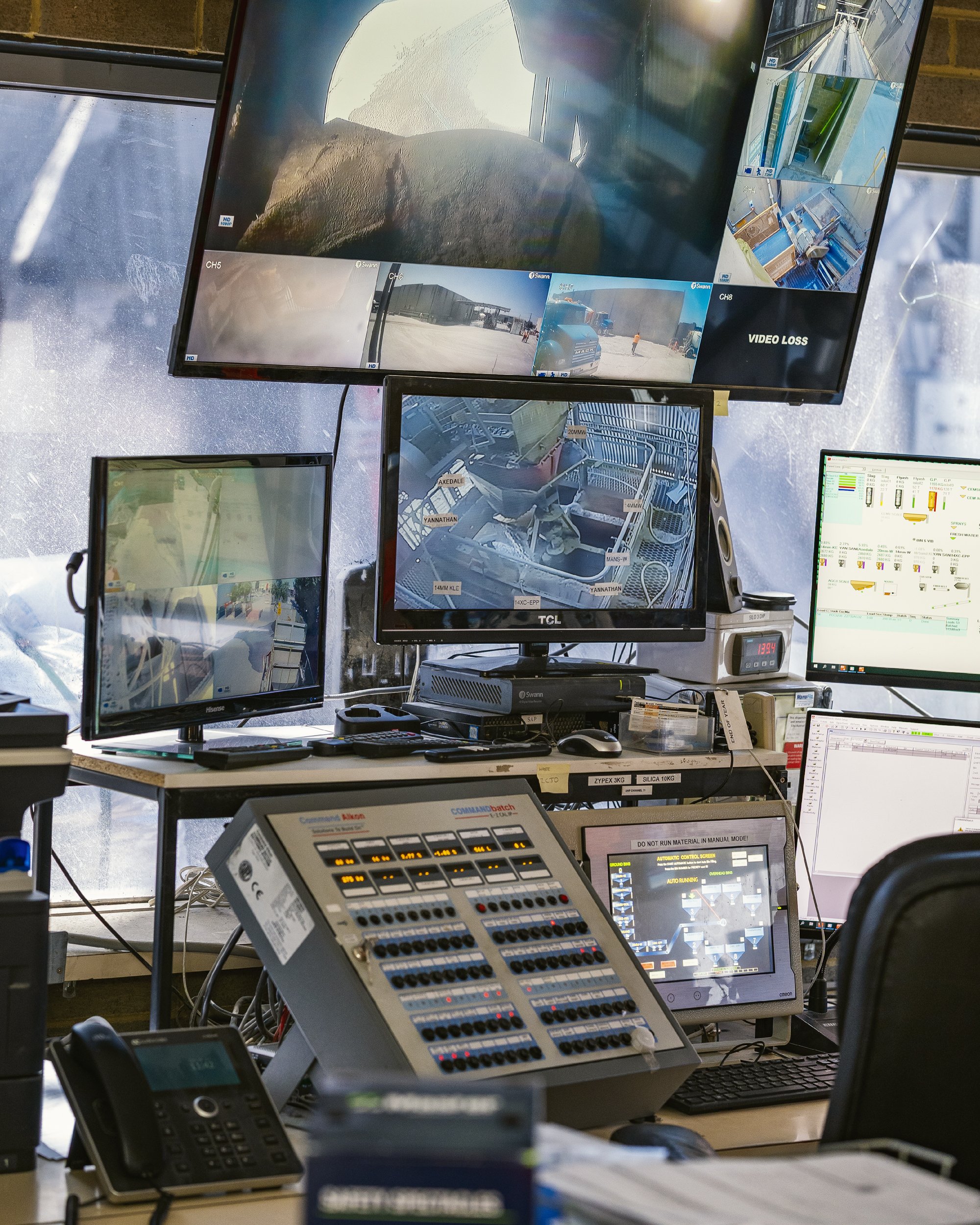
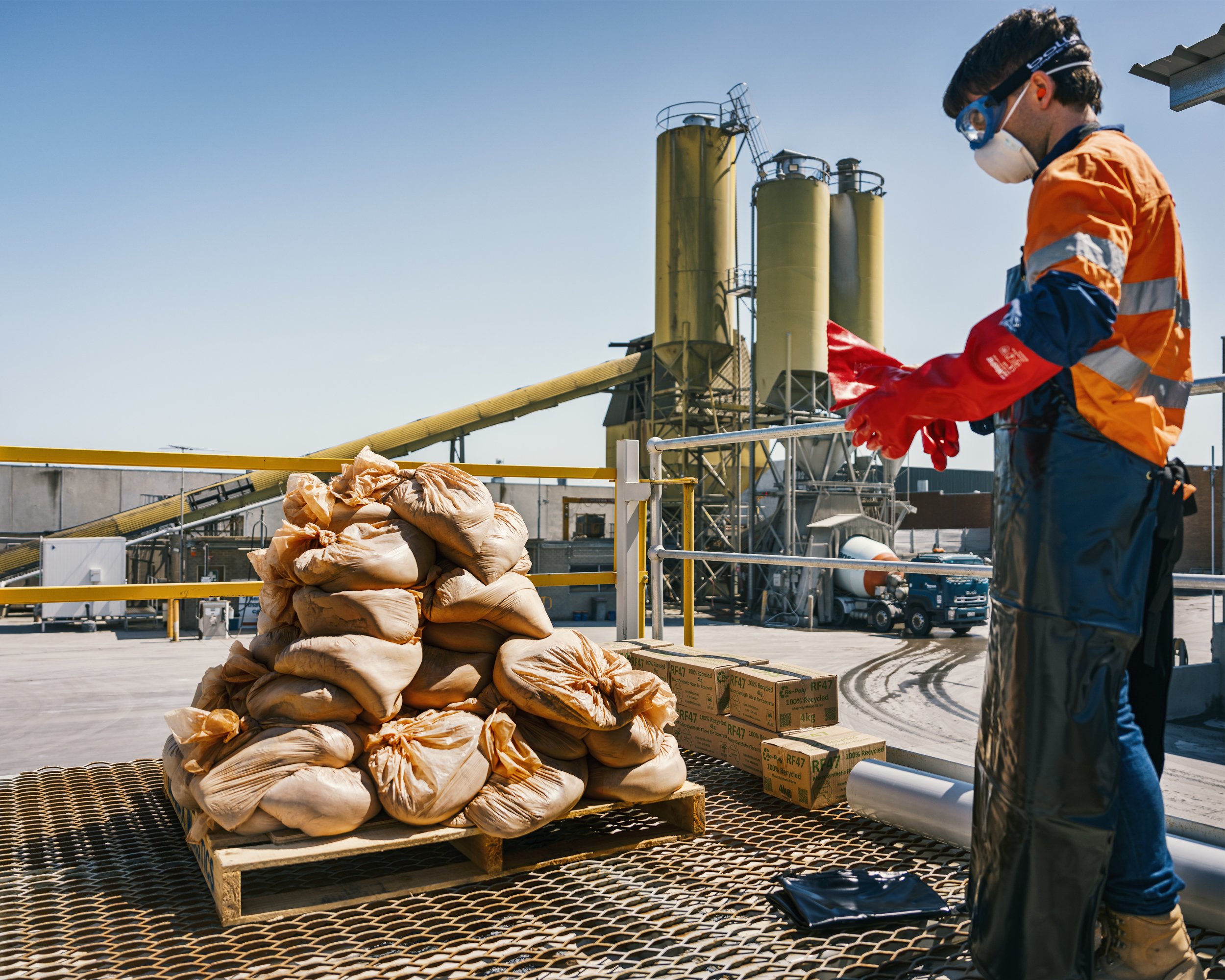
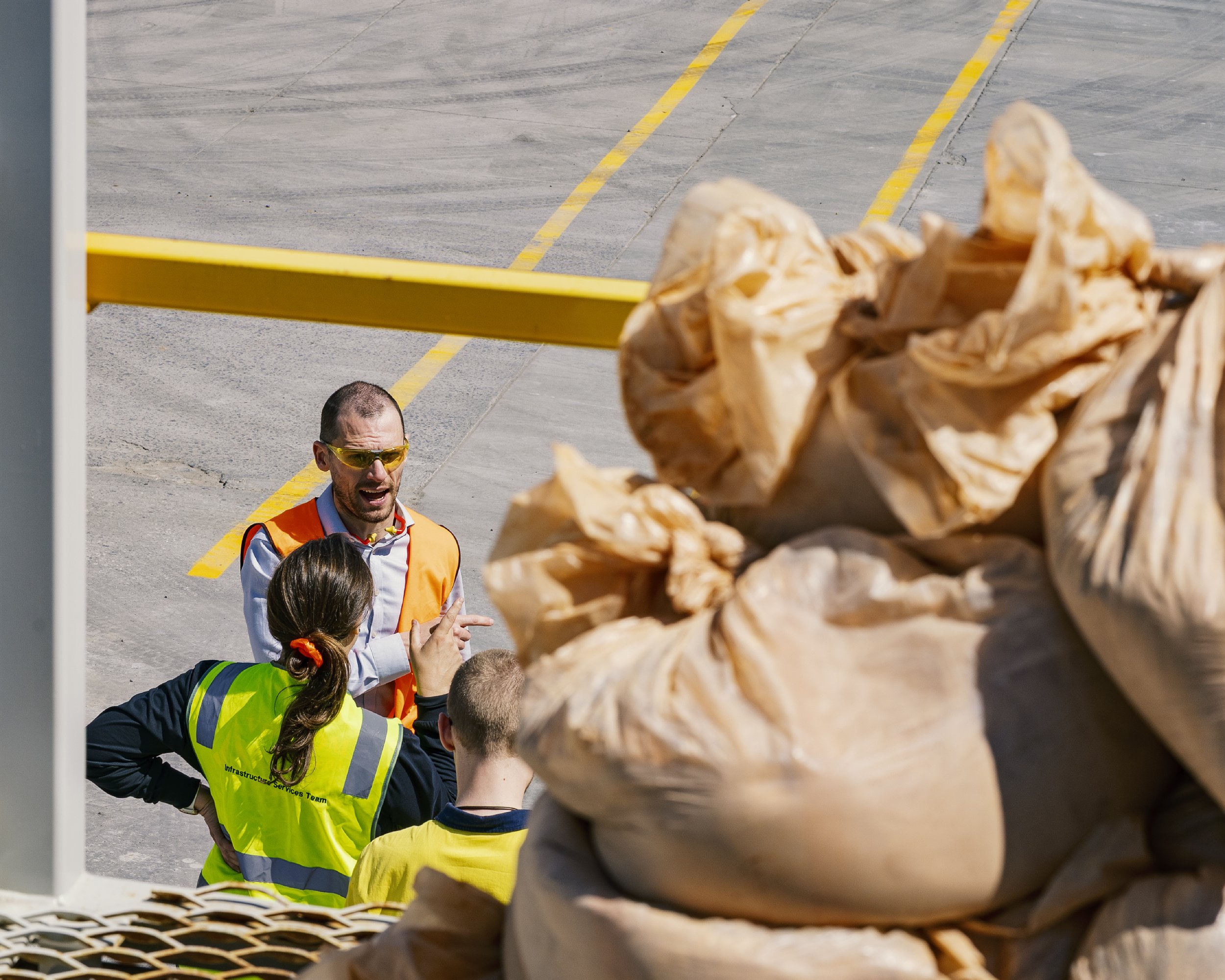
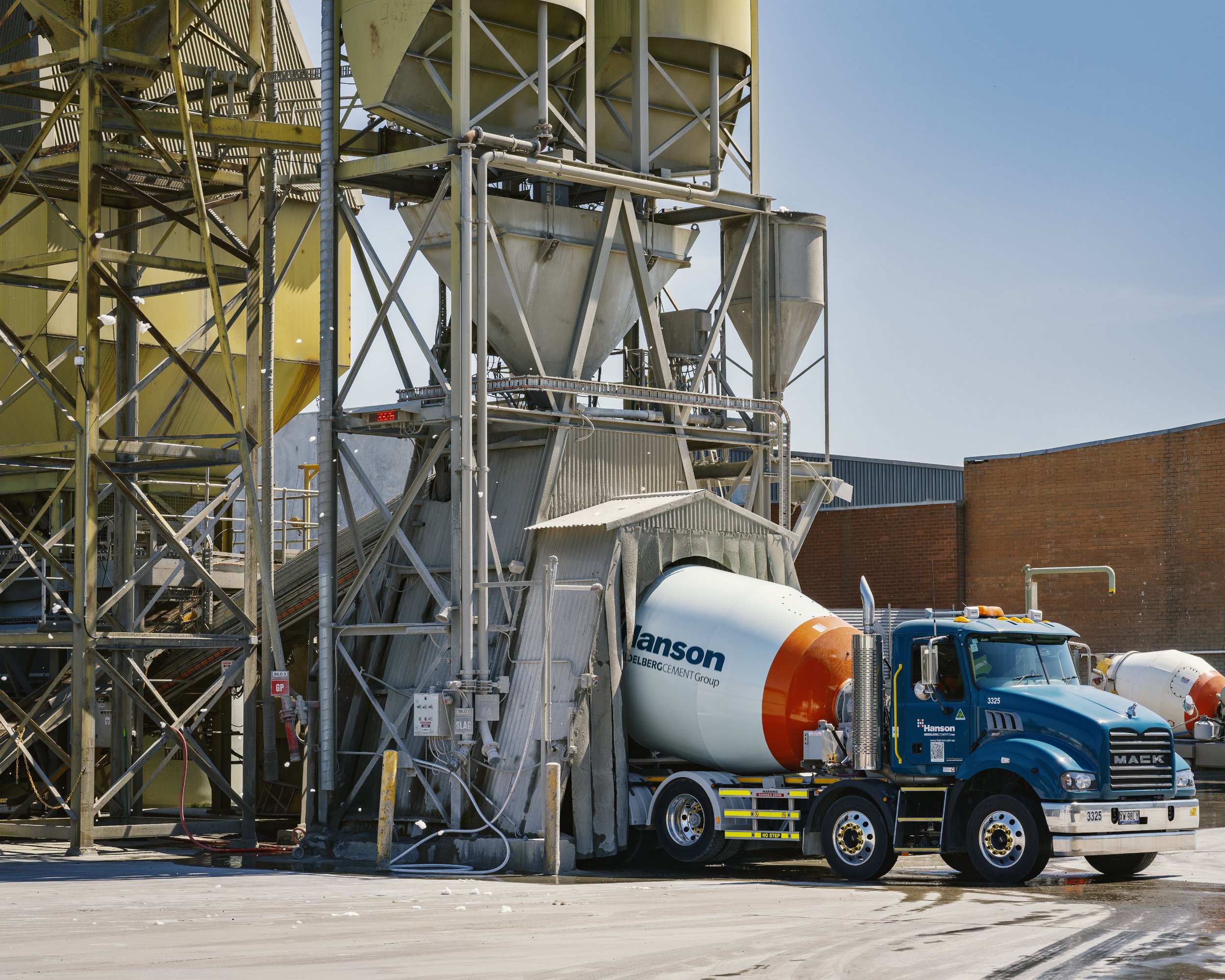
Concrete is the core of buildings and infrastructure and the cement in it accounts for around 7% of global carbon emissions. At a batching plant in outer Melbourne, Brendan Liveris and his team are pioneering replacing some of the cement with calcinated clay to significantly reduce emissions from concrete while not compromising its strength.
The orange bags, which are piled up and then loaded into the mix, are the key. The material inside is a blend developed through collaboration between Heidelberg Materials (formerly Hanson), Major Road Projects Victoria, Arup and Melbourne University. The pour at a nearby highway upgrade marked the first time that calcinated clay has been used at scale in an Australian infrastructure project.
Cement’s emissions are roughly 60% from the chemical process of turning limestone into lime, and 40% from the energy used. Here, by substituting calcinated clays for cement, Heidelberg is directly reducing the largest component of emissions. It is a pragmatic, scalable solution, and a glimpse into how emissions from one the world’s most used building materials might finally start to fall.