Dr Dana Tothova, Project Halophyte
Floating Solutions for a Changing Coastline
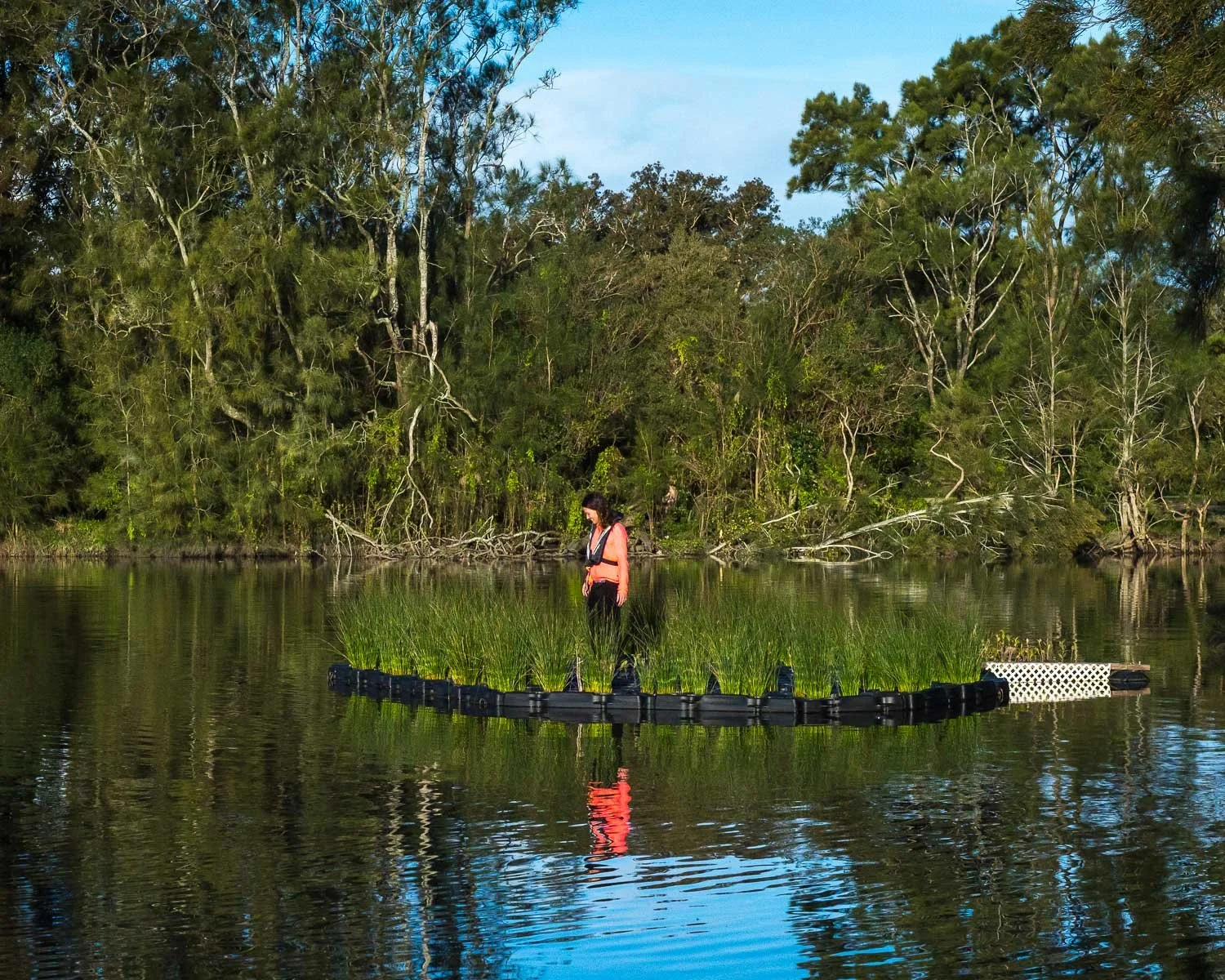
Mangroves are quiet climate champions. They absorb carbon at extraordinary rates and protect shorelines from rising seas and storms. Yet from Pacific islands to developed estuaries, natural replanting is no longer possible. Seawalls, dredging, and coastal development have stripped away the muddy fringes where mangroves once took root.
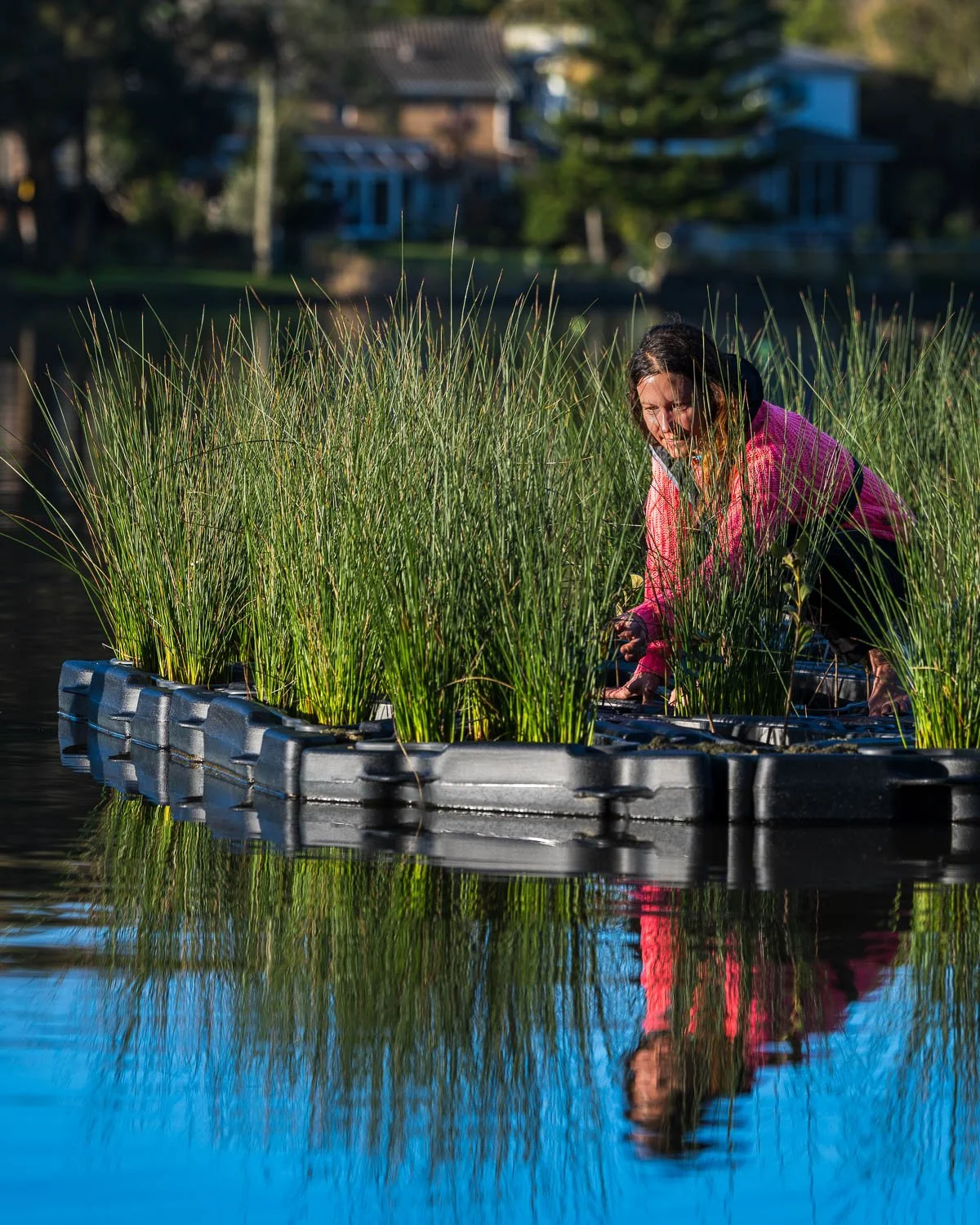
Project Halophyte, led by UNSW in partnership with the University of the South Pacific and Swire Shipping, is trialling a new solution: floating ecosystems. These modular pontoons are designed to stay in place permanently, supporting mangrove seedlings and saltmarsh grasses above the waterline. Together, the plants store carbon, soften wave energy, and bring life back to hard-edged coastlines.
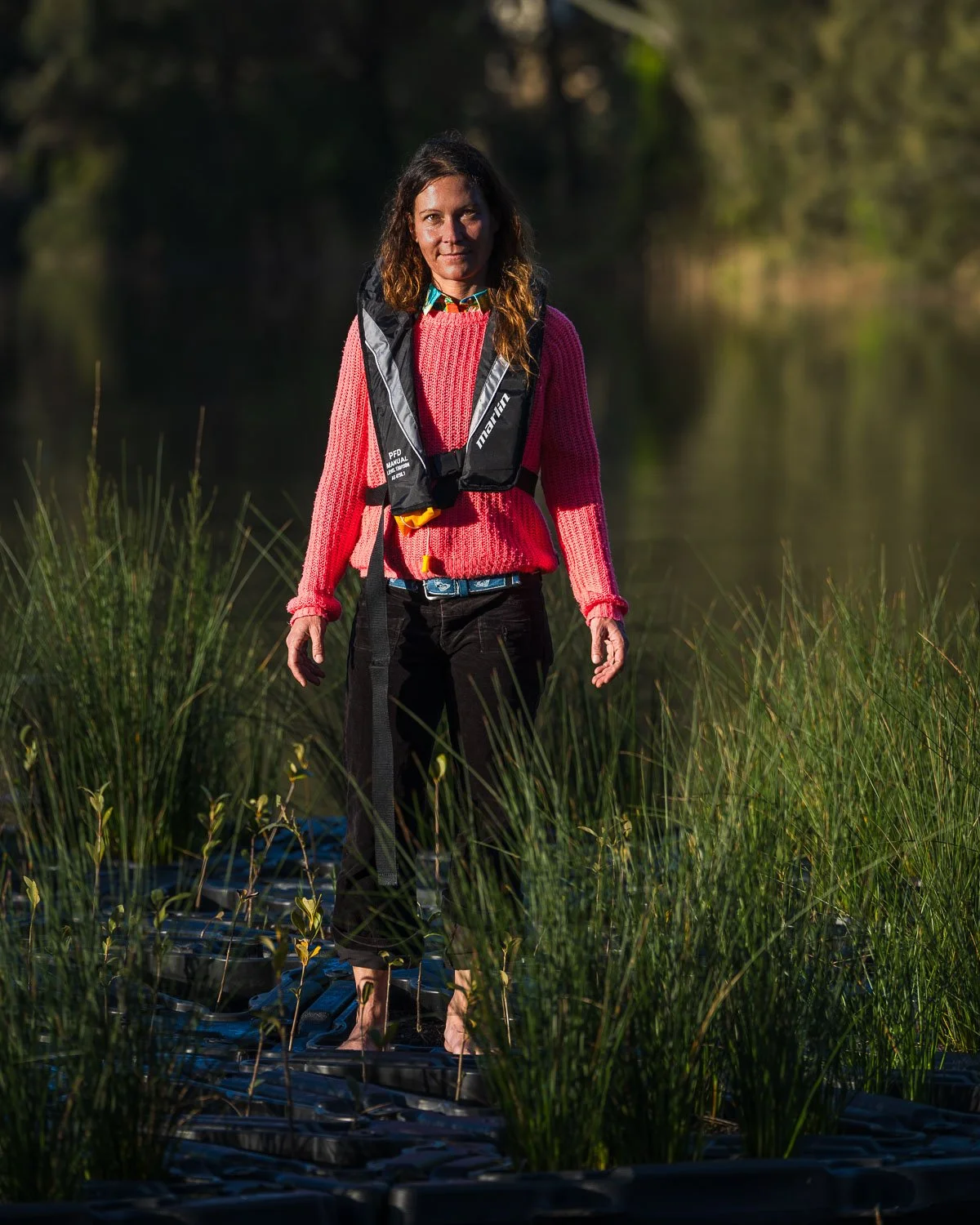
Photographed on Sydney’s Northern Beaches, with Dr Dana Tothova examining mangrove seedlings on a floating platform, the prototypes are small in scale but big in ambition. They offer a nature-based solution for communities already facing the impacts of climate change — especially in the Pacific, where retreating shorelines threaten agriculture, lives and livelihoods.
By blending engineering and ecology, Project Halophyte shows how adaptation and mitigation can work together — and how floating plants might help restore what rising seas and shifting tides have taken away.