Decarbonising Cement Making
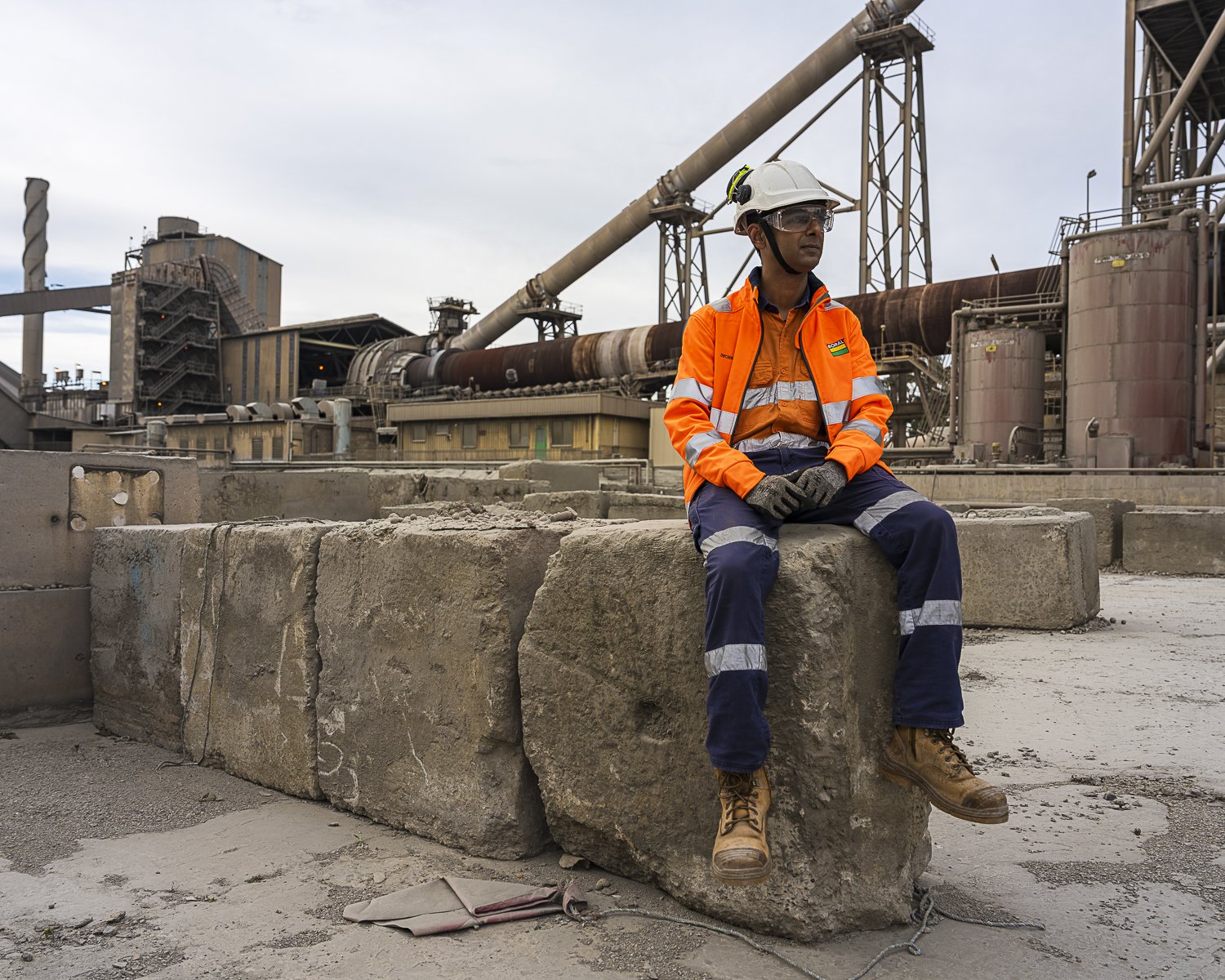
Replacing Coal with Waste Timber and Tyres: Akash Banerjee, Boral
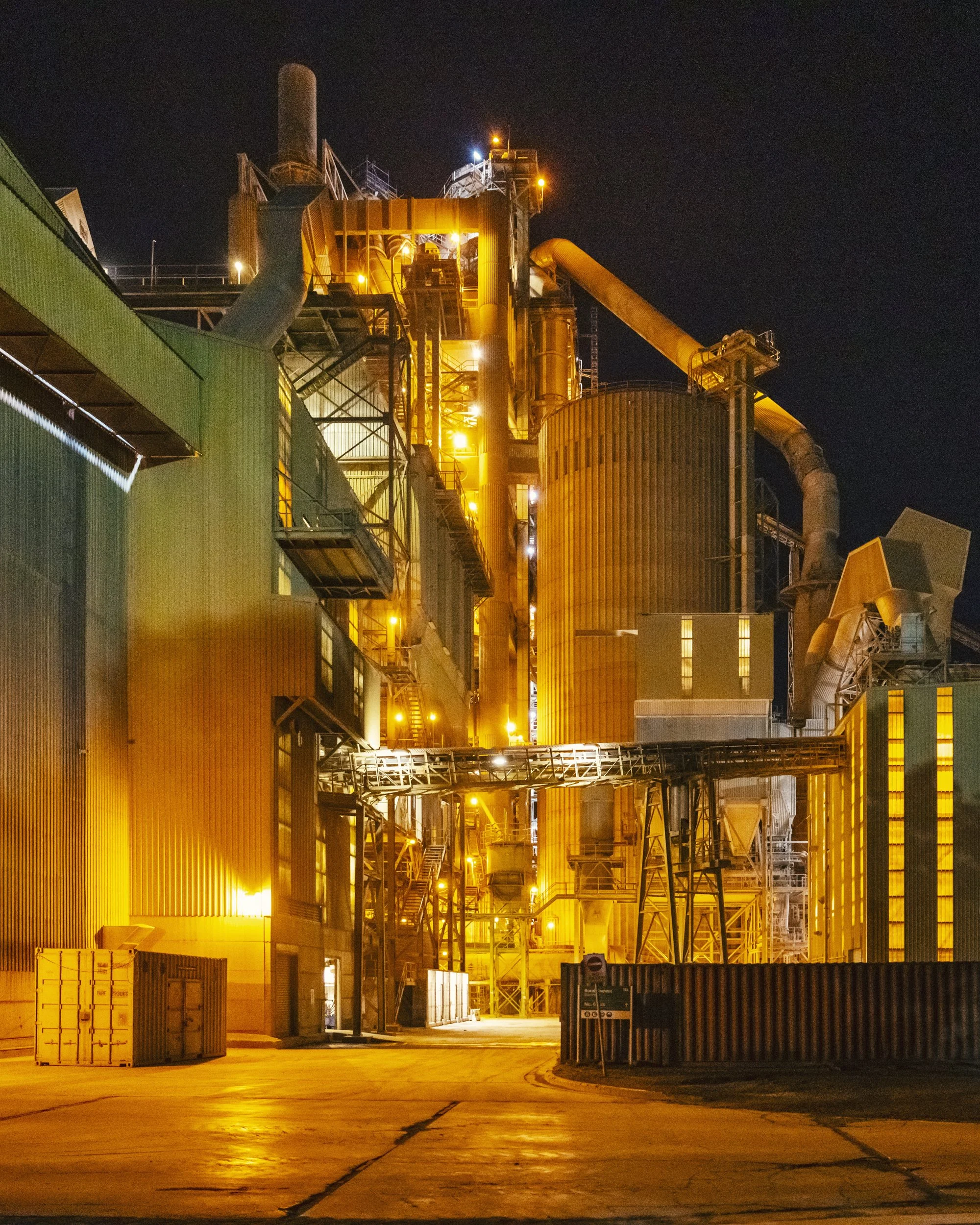
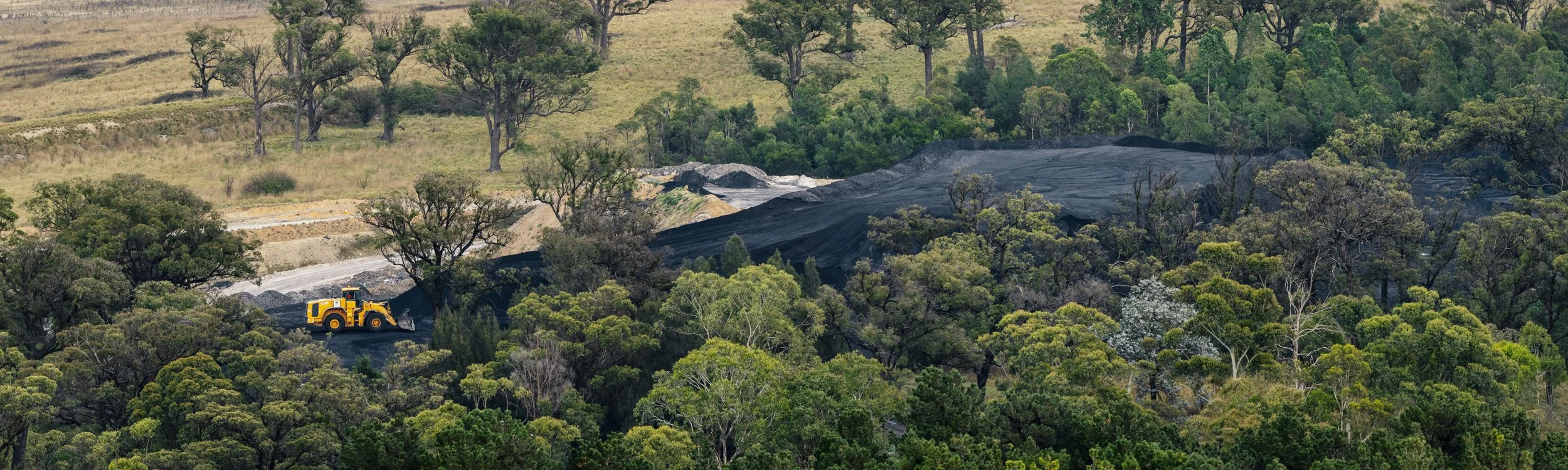
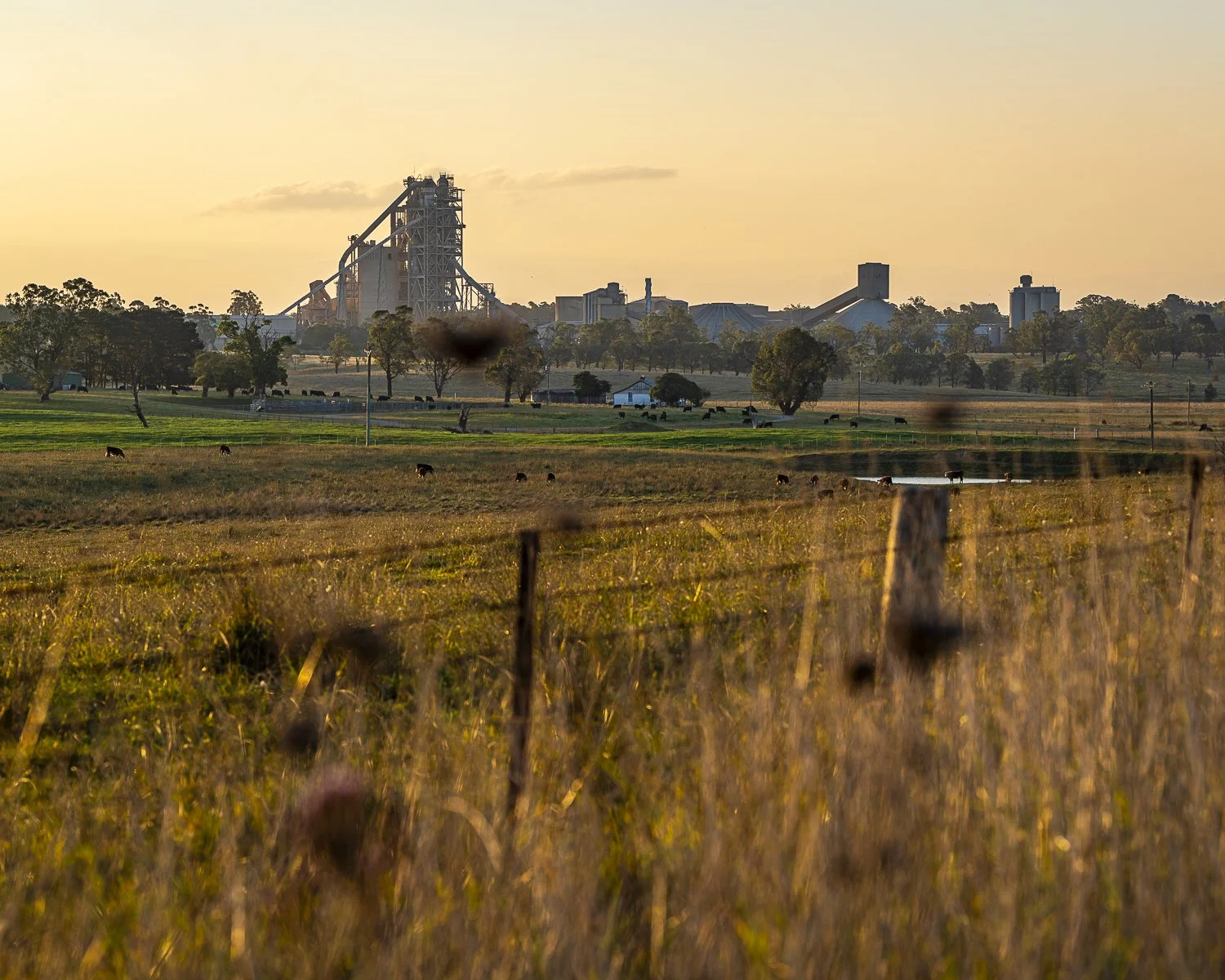
Around 7% of global carbon dioxide (CO2) emissions are generated from the manufacture of cement.
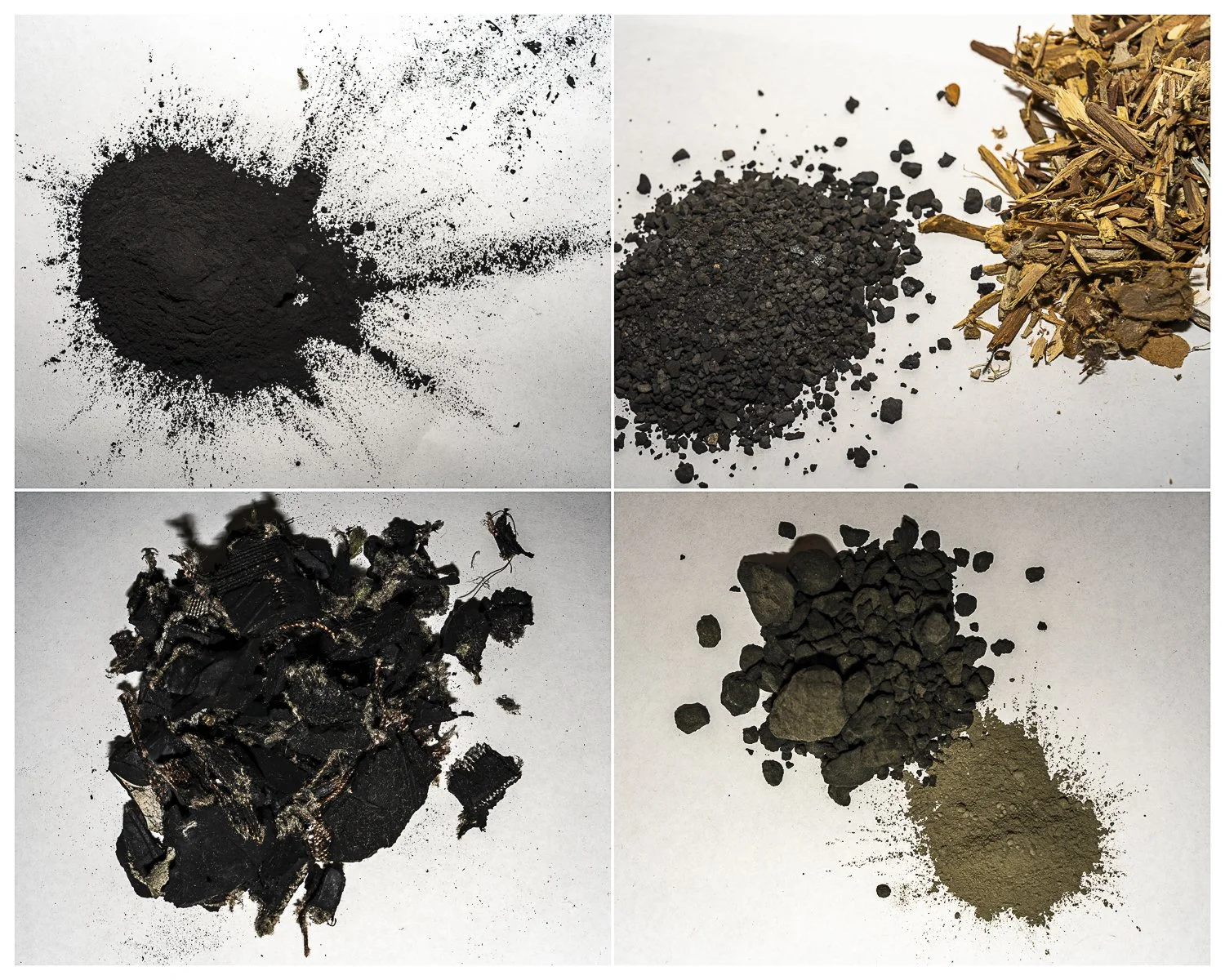
At Boral’s Berrima cement plant in New South Wales, emissions are being reduced by substituting 30% of the coal used to generate the high temperatures required in the kiln. Shredded timber waste and end-of-use tyres are used as a fuel source, diverting them from landfill. This new approach reduces fossil CO2 emissions by 120,000 tonnes per year – roughly equivalent to taking 29,000 cars off the road. Plans are in place to double that impact.
While alternate fuels like timber waste emit CO2 when burned, this carbon is part of the natural cycle – unlike coal or other fossil fuels.
Key to enabling these reductions is the new Chlorine Bypass System which removes chlorine and sulphur resulting from burning the timber and tyres which would otherwise clog the kiln.
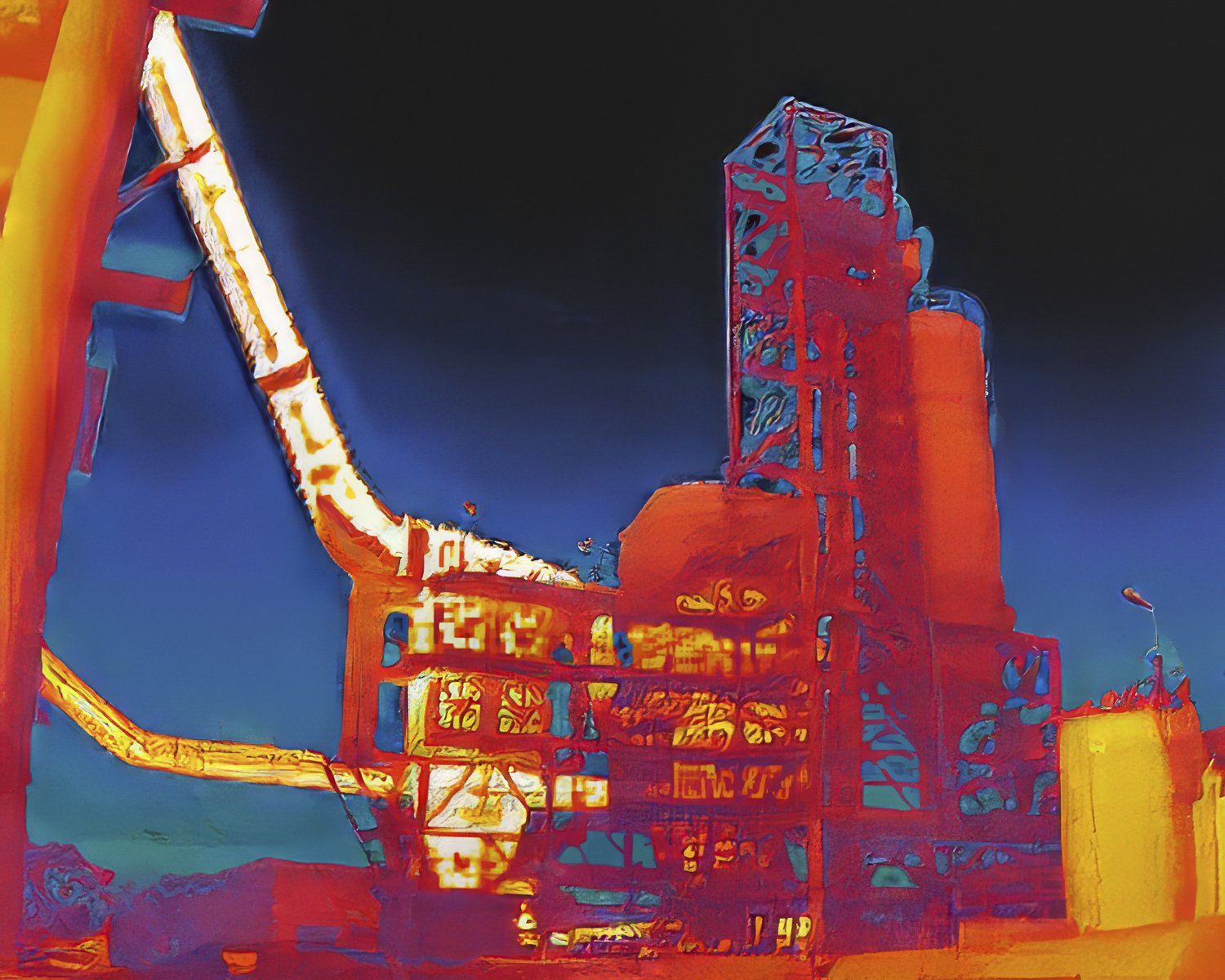
The images offer a look into industrial decarbonisation, where emissions are reduced step-by-step through innovation and investment.